Archives
- 2026-09
- 2026-08
- 2026-07
- 2026-06
- 2026-05
- 2026-04
- 2026-03
- 2026-02
- 2026-01
- 2025-12
- 2025-11
- 2025-10
- 2025-09
- 2025-03
- 2025-02
- 2025-01
- 2024-12
- 2024-11
- 2024-10
- 2024-09
- 2024-08
- 2024-07
- 2024-06
- 2024-05
- 2024-04
- 2024-03
- 2024-02
- 2024-01
- 2023-12
- 2023-11
- 2023-10
- 2023-09
- 2023-08
- 2023-07
- 2023-06
- 2023-05
- 2023-04
- 2023-03
- 2023-02
- 2023-01
- 2022-12
- 2022-11
- 2022-10
- 2022-09
- 2022-08
- 2022-07
- 2022-06
- 2022-05
- 2022-04
- 2022-03
- 2022-02
- 2022-01
-
The crucial role of AP in establishing and
2024-09-23

The crucial role of AP-1 in establishing and maintaining cell type-specific gene expression programs and cell identity is further apparent during reprogramming of mouse embryo fibroblasts (MEFs) into iPSCs with either Oct4/Sox2/Klf4/cMyc (OSKM ) factors , or chemicals . Using ATAC-seq to profile ch
-
br Antiangiogenic therapy in non
2024-09-21
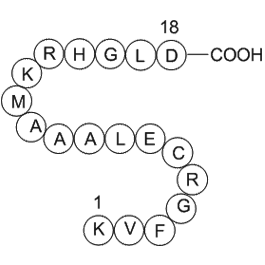
Antiangiogenic therapy in non-small cell lung cancer (NSCLC) Antiangiogenic targeted therapy is an area of active research in which numerous agents have been studied and have been shown to be effective for many tumor types including NSCLC. Angiogenesis is frequently upregulated in malignant solid
-
Insulin is the central hormone involved in the control of
2024-09-21
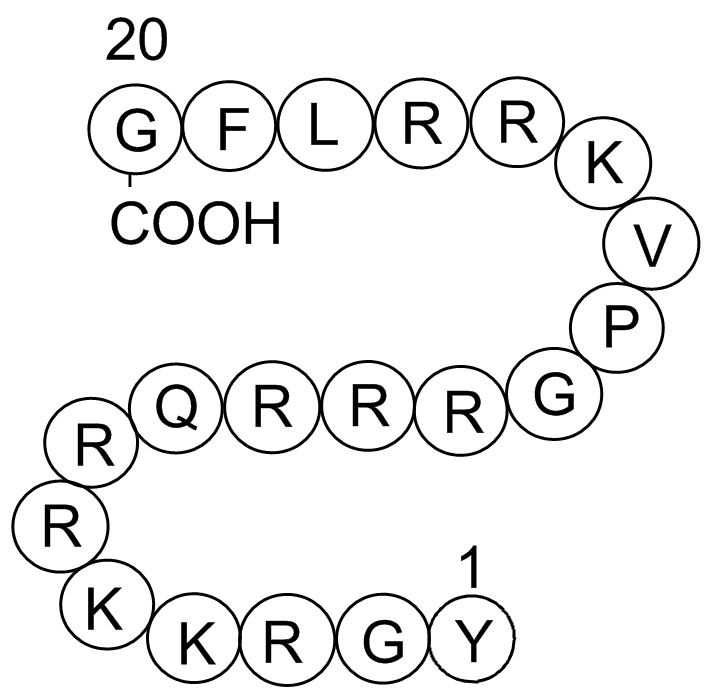
Insulin is the central hormone involved in the control of glucose and lipid metabolism. Other nonmetabolic effects of insulin are intensively studied as well. Activation of insulin receptor not only promotes glucose uptake, protein synthesis, and inhibits lipid metabolism, but also is crucial for re
-
Interestingly ZIP expression was decreased in
2024-09-21
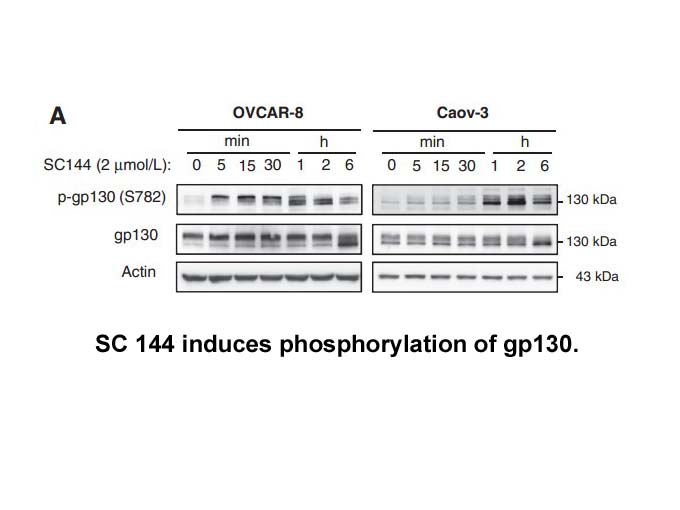
Interestingly, ZIP9 expression was decreased in dog testes after they were implanted with gonadotropin releasing hormone (GnRH) which the authors proposed was due to androgen ablation (Bulldan et al., 2016a). The expression of other members of the ZIP (SLC39A) family has also been shown to be regula
-
tyrosine kinase receptor However a high triglyceride level w
2024-09-21
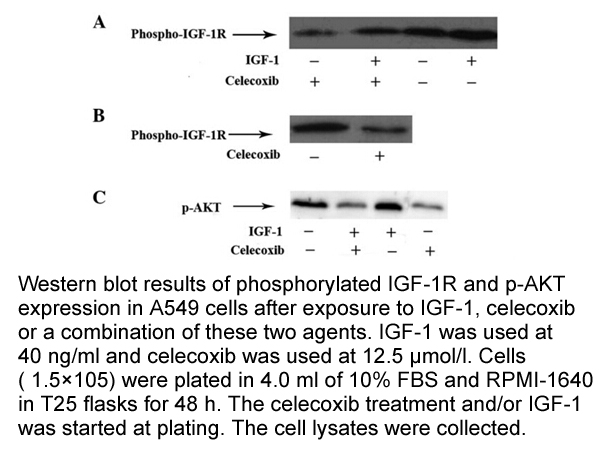
However, a high triglyceride level was associated with dementia in a study with subjects aged ≥65 years (Raffaitin et al., 2009). In another study, the serum triglyceride levels of three different transgenic mouse strains mimicking AD were also evaluated within the progression of the pathology. In o
-
A disfun o cognitiva p s operat ria
2024-09-21

A disfunção cognitiva pós‐operatória é uma síndrome perioperatória bem reconhecida, consequência da anestesia e cirurgia cuja causa exata permanece por esclarecer. De que forma pacritinib disfunção cognitiva pós‐operatória e a doença de Alzheimer podem estar ligadas permanece uma questão em estudo.
-
Endogenous adenosine systems have largely
2024-09-21
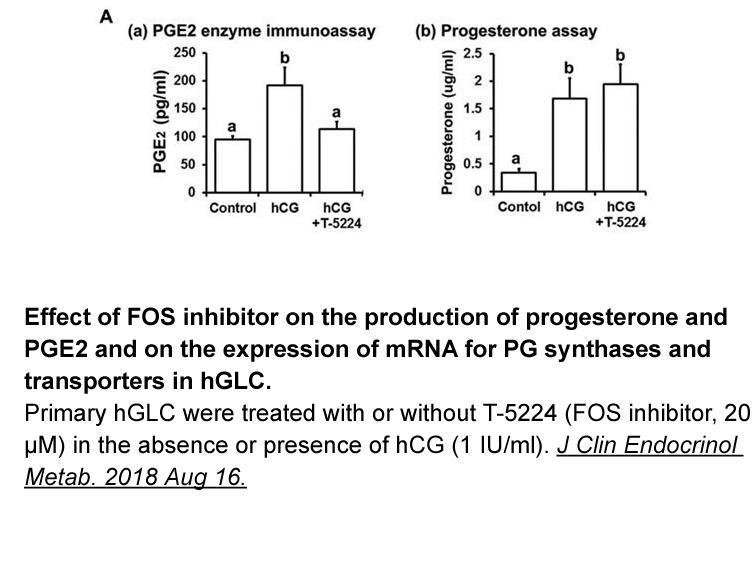
Endogenous adenosine systems have largely been implicated in drug actions by the demonstration that caffeine (non-selective A1R and A2AR antagonist) (see Section The issue of caffeine), in doses up to 7.5–10mg/kg, inhibits antinociception, and when this occurs, it Vismodegib is generally also seen
-
Compound mg was purified as an amorphous colourless powder
2024-09-21
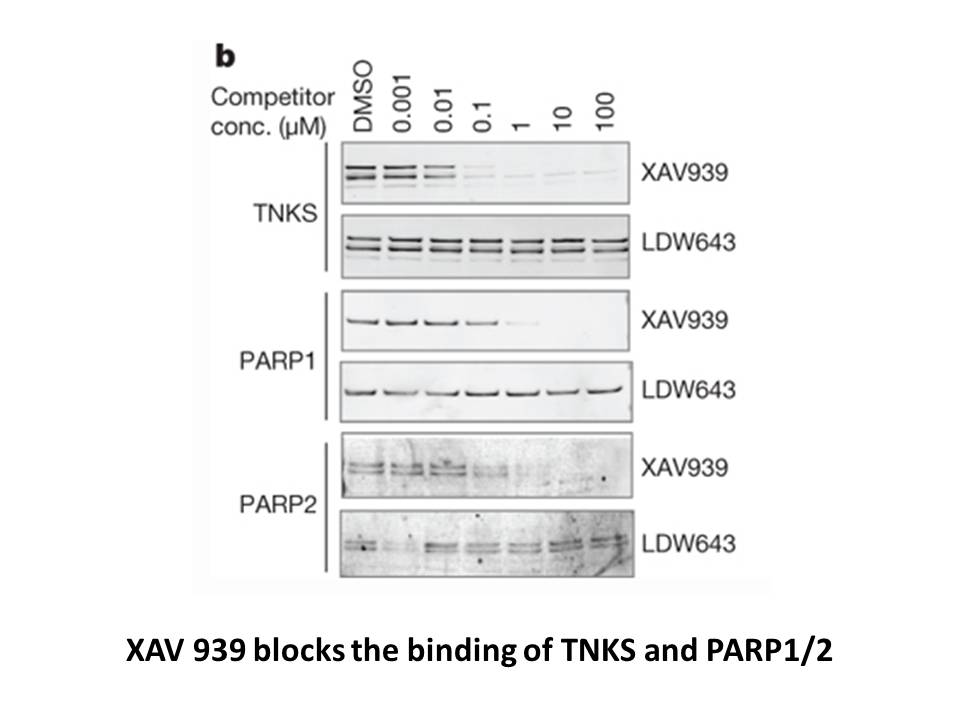
Compound 3 (29 mg) was purified as an amorphous, colourless powder. Molecular formula C20H28O4 was established by HRESIMS (Fig. S11) and corroborated with 1H and 13C NMR spectroscopic data (Table 1). IR spectrum showed bands for hydroxyl (3433 cm−1) and carbonyl (1686 cm−1) groups. 13C NMR spectrum
-
Finally we show that the optimal corporate tax
2024-09-21
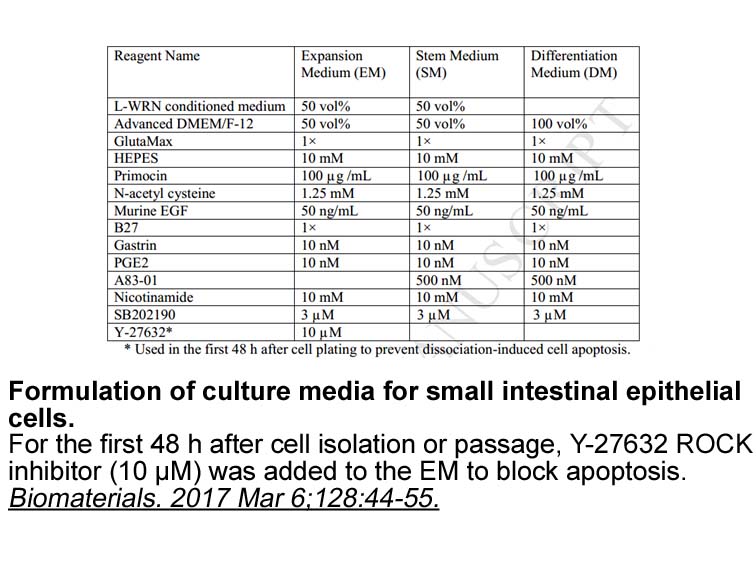
Finally, we show that the optimal corporate tax rate is strictly positive, balancing the increase in tax revenues against the loss in consumer surplus due to higher prices and fewer firms (products). This result is related to the well-known “excessive entry theorem” that shows, for a large class of
-
Given these findings above we hypothesized that hypernocicep
2024-09-21
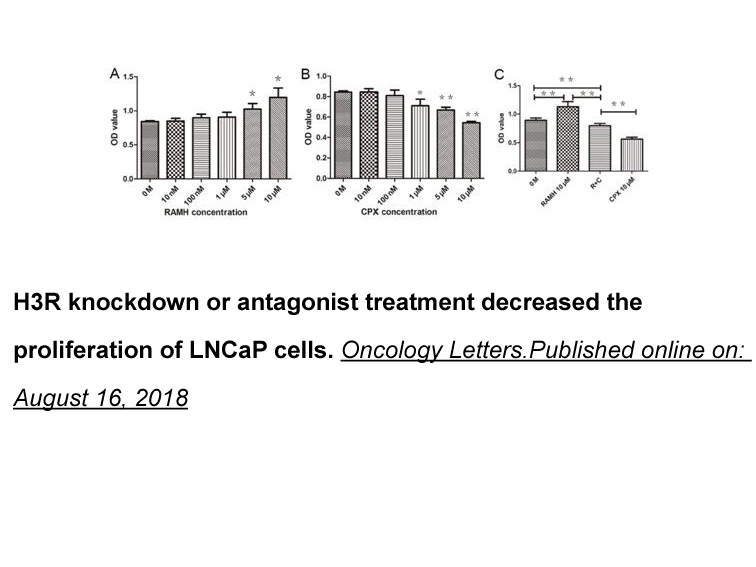
Given these findings above, we hypothesized that hypernociception produced by intra-amygdala 8-OH-DPAT is result of hyperpolarization in this area. This neuronal inhibition of the amygdaloid complex might result in an inactivation of crucial neurotransmitter systems of the descending inhibitory pain
-
br Dihydrotestosterone in adult fish and frogs
2024-09-21
Dihydrotestosterone in adult fish and frogs New perspectives and next directions Similar to other androgens, DHT can modulate reproductive endpoints in both fish and amphibians. However, predicting the effects of DHT can be challenging, as reproductive homeostasis is dependent upon the balance
-
Docking studies were performed on the selected compounds to
2024-09-21
Docking studies were performed on the selected compounds to explore their binding patterns and to examine SAR in more detail. The co-crystal structure of ATX in complex with PF-8380 (PDB code: ) was selected for the docking studies due to structural similarity of the most potent compound with PF-83
-
br Transparency document br Acknowledgments This work has be
2024-09-20

Transparency document Acknowledgments This work has been supported by the National Eye Institute (NIH) Grant 5R01EY023315-02 (MA). This study was also supported in part by National Center for Research Resources Grant S10RR027926 for the lipid analysis and by James and Jean Culver Vision Discov
-
Receptors containing an x y subunit interface
2024-09-20
Receptors containing an αx/γy subunit interface, where x=1, 2, 3, 5 and y=1–3, form a high-affinity binding site for benzodiazepines (Figure 1A), for the later developed Z-drugs of different chemotypes, and for a large number of chemically distinct research compounds 17, 18 (Box 1 for examples). For
-
glutamate receptor antagonist br Introducing toll like recep
2024-09-20
Introducing toll like receptors TLRs are the most important receptors which are expressed on the cytoplasmic and internal vesicles membrane. They have a similar structure including a leucine-rich repeats (LRRs) domain which is out of glutamate receptor antagonist membrane, a hydrophobic transmem
8619 records 113/575 page Previous Next First page 上5页 111112113114115 下5页 Last page