Archives
- 2026-09
- 2026-08
- 2026-07
- 2026-06
- 2026-05
- 2026-04
- 2026-03
- 2026-02
- 2026-01
- 2025-12
- 2025-11
- 2025-10
- 2025-09
- 2025-03
- 2025-02
- 2025-01
- 2024-12
- 2024-11
- 2024-10
- 2024-09
- 2024-08
- 2024-07
- 2024-06
- 2024-05
- 2024-04
- 2024-03
- 2024-02
- 2024-01
- 2023-12
- 2023-11
- 2023-10
- 2023-09
- 2023-08
- 2023-07
- 2023-06
- 2023-05
- 2023-04
- 2023-03
- 2023-02
- 2023-01
- 2022-12
- 2022-11
- 2022-10
- 2022-09
- 2022-08
- 2022-07
- 2022-06
- 2022-05
- 2022-04
- 2022-03
- 2022-02
- 2022-01
-
br Conclusions Our study confirms that
2023-10-30
Conclusions Our study confirms that N-terminal mutations can affect Aβ fibril and oligomer formation, despite lying outside the core amyloid region of Aβ. Of the three factors that may influence Aβ-mediated toxicity (primary structure of Aβ, assembly structure and cellular responses), our results
-
Within the thrombus there is heterogeneity in
2023-10-30
Within the thrombus, there is heterogeneity in the activation of doxorubicin hydrochloride based on the concentration gradients of soluble agonists emanating from the site of vascular injury, which has been excellently reviewed by Tomaiuolo et al.[1]. As part of the coagulation cascade, active thro
-
In conclusion our study would seem to
2023-10-30
In conclusion, our study would seem to indicate that a hydrophilic microenvironment, which is suitable to accommodate highly hydrophilic molecules with steric hindrance such as aldose hemiacetals, allows the enzyme modulation by one of its most important physiopathological substrates. It is difficul
-
In addition to it we also showed that glycine
2023-10-30

In addition to it, we also showed that glycine increases miR-301a expression which directly binds to PTEN 3′UTR target sites [13]. Glycine confers neuroprotection through microRNA-301a/PTEN signaling in rats cortical neurons in oxygen deprivation model [13]. Substantial studies indicate that inhibit
-
Similar to V the temporal
2023-10-30
Similar to V1, the temporal neocortex of mammals, including the primary auditory cortex (A1), is densely innervated by 5-HT fibers originating mainly in the dorsal raphe nucleus (Campbell et al., 1987, Harding and Paxinos, 2004, Törk, 1990), and the major BML-277 receptor of 5-HTRs are expressed thr
-
Jesus et al discovered a
2023-10-30
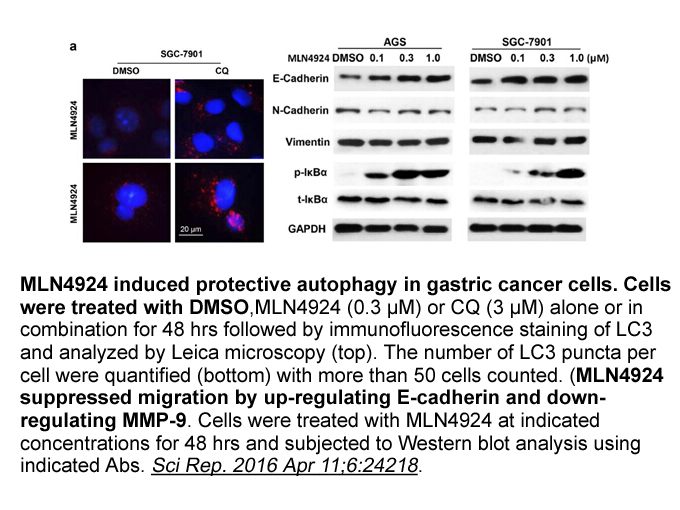
Jesus et al. discovered a new series of azaindole as Aurora inhibitors through various modification of GSK1070916 (47). They synthesized series from modification of the GSK1070916 and evaluated for in-vitro Aurora-B/INCENP and Aurora-A/TPX2 inhibition assays. Modified MK2206 sale 48 and 49 showed IC
-
In PMCA Mg favors the conversion E P
2023-10-30
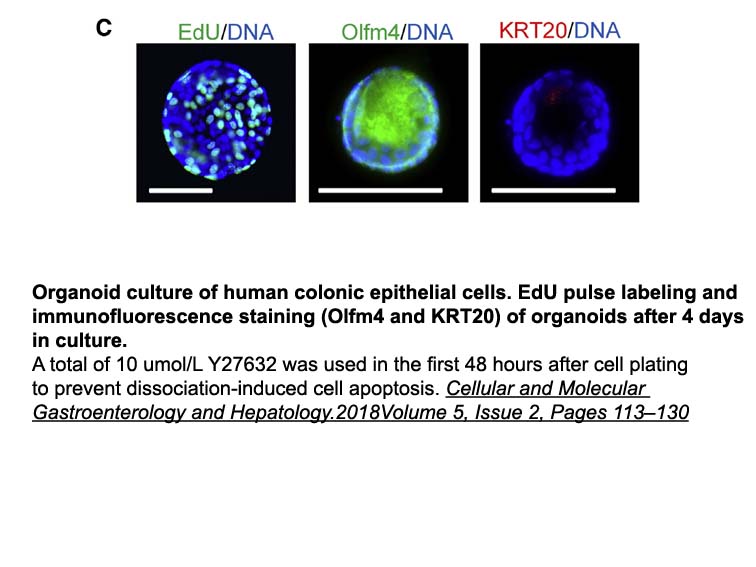
In PMCA, Mg2+ favors the conversion E1P → E2P [13] and, as in SERCA [11], it accelerates the phosphorylation displacing the E1–E2 equilibrium towards E1. In SERCA, Sørensen et al. [41], proposed that ATP reacts by an associative mechanism mediated by two Mg2+ ions to form an aspartyl-phosphorylated
-
AT signaling is distinct to
2023-10-30
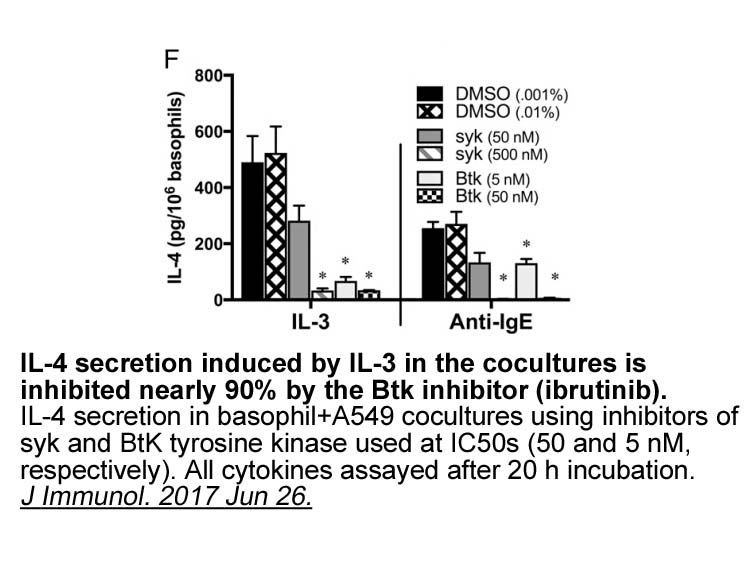
AT2 signaling is distinct to that of AT1 (Kaschina and Unger, 2003). As shown here, opposite to the stimulating effect of AT1 signaling, it inhibits apelin secretion. Activation of AT2 receptor, which is also G-protein coupled, is known to decrease cAMP and cGMP levels by inhibiting adenylyl cyclase
-
br Technical Note Fungal spoilage of dairy products remains
2023-10-30
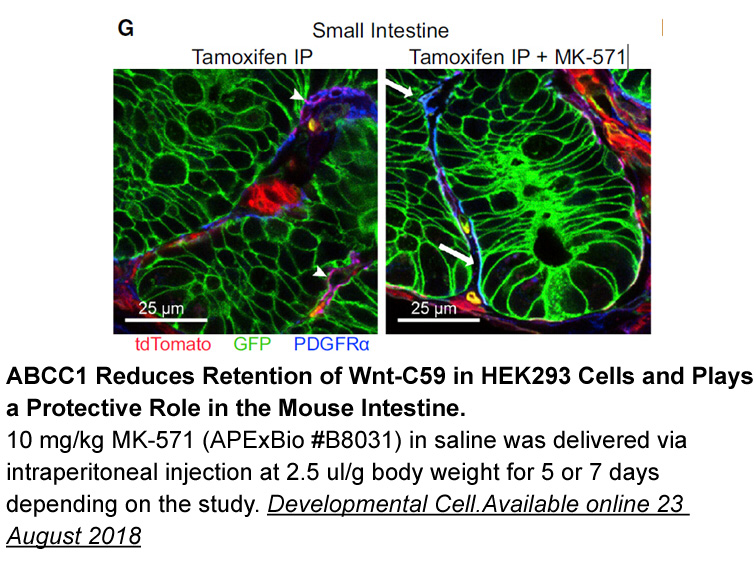
Technical Note Fungal spoilage of dairy products remains a major concern for dairy manufacturers despite the use of preventive and control approaches, including the use of chemical preservatives. Among methods that are increasingly used by industries for microbial contaminant control, biopreserva
-
There are no studies documented
2023-10-27
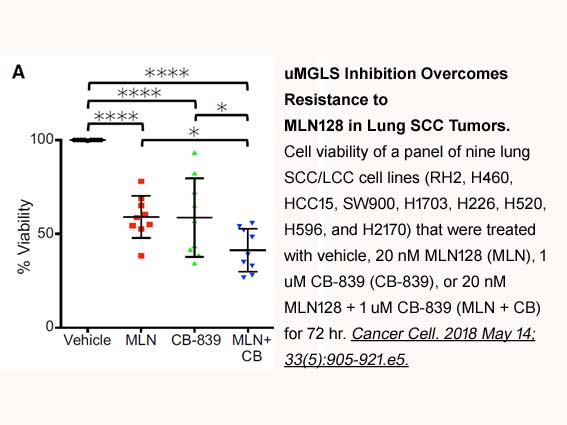
There are no studies documented the role of RAS in the differentiation of MSCs into IPCs but there are previous studies indicating that Ang II receptors exhibit opposing actions on MSCs differentiation, into other cell types rather than IPCs. The blockade of AT2R was reported to suppress MSCs differ
-
Discussion The present experiments follow up
2023-10-27
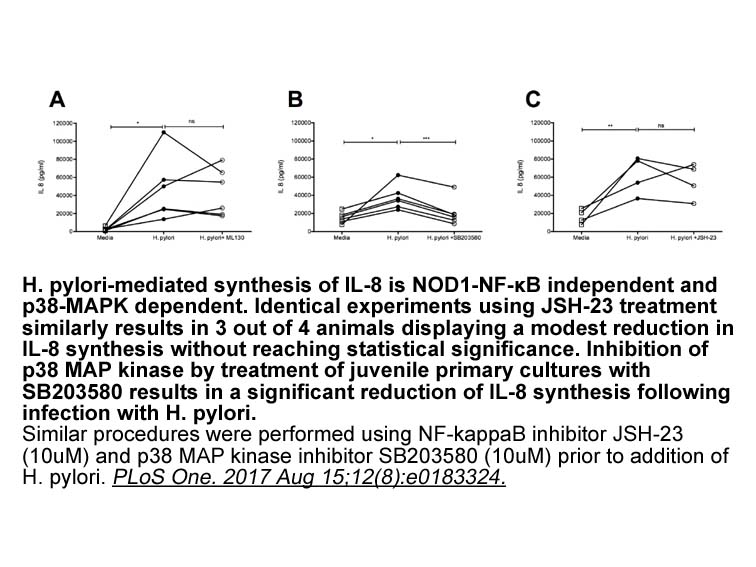
Discussion The present experiments follow-up and are completely consistent with our prior findings [26] that blood Aβ is subject to peripheral clearance by a major pathway for circulating pathogens in primates, immune adherence [30,31]. CR1-mediated erythrocyte immune adherence, as well as CR1-medi
-
So far many independent studies have
2023-10-27
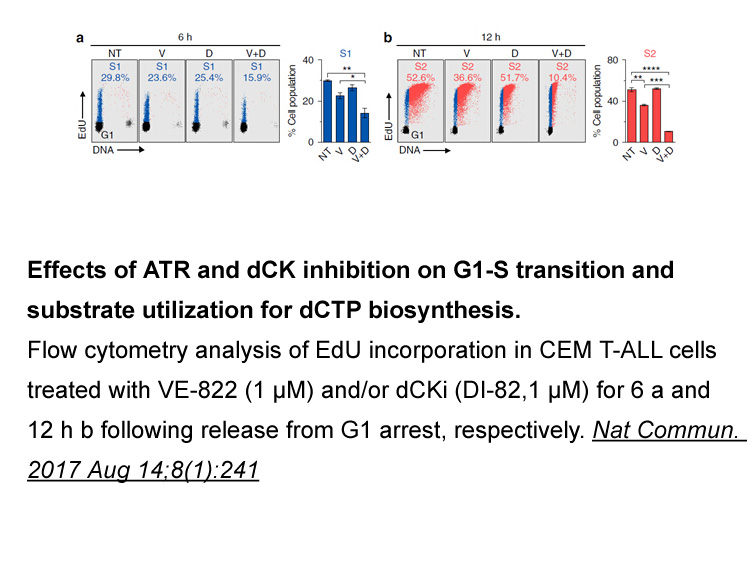
So far, many independent studies have linked cholesterol metabolism–related genes with AD, either by showing associations with specific polymorphisms or with differential p450 inhibitors levels (Beecham et al., 2014, Blain and Poirier, 2004, Lambert et al., 2009, Lambert et al., 2013, Leduc et al.,
-
Flavonoids protein interactions studies play a
2023-10-27
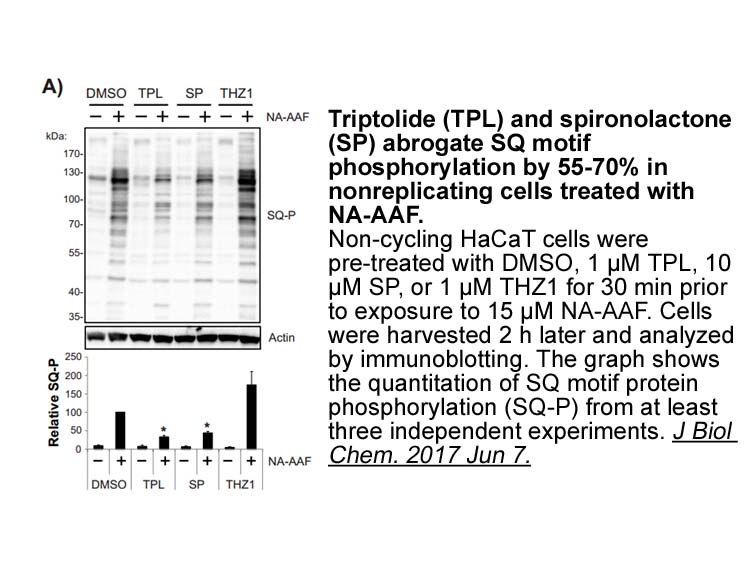
Flavonoids-protein interactions studies play a substantial part in the hunt for novel molecules which are to interact with a selected disease-relevant target [35]. The mode of potential interaction gives information about the flavonoid effectiveness and selectivity. Lately, possible target molecules
-
br ABCA mRNA expression is elevated in
2023-10-27
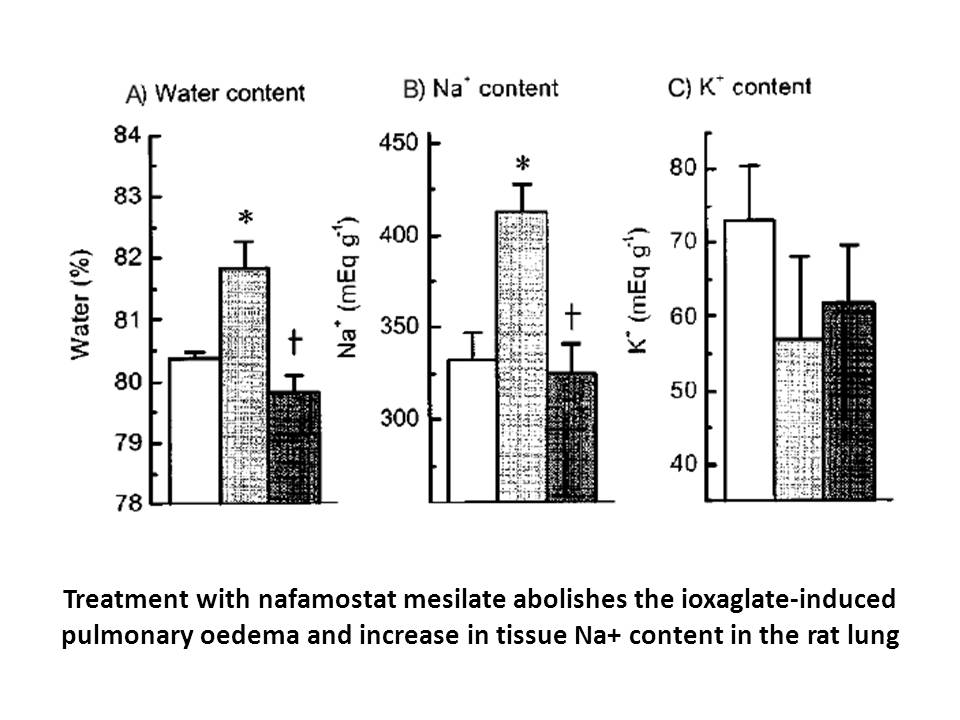
ABCA2 mRNA expression is elevated in Niemann-Pick type C and familial hypercholesterolemia fibroblasts Niemann-Pick Type C disease is a neurological disorder of adolescents due to autosomal-recessive mutations in either one or both Niemann-Pick-2 (NPC2) and NPC1 genes, which, like ABCA2, are loca
-
Constitutive tyrosine kinase activity of BCR ABL fusion gene
2023-10-27
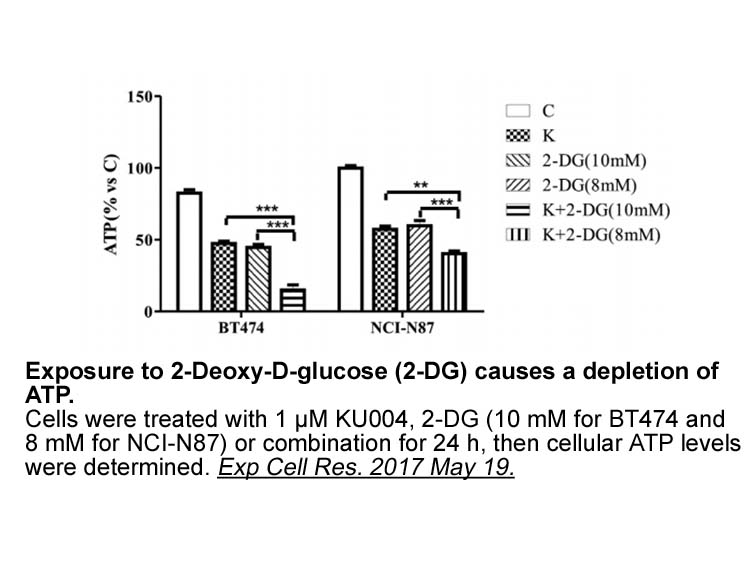
Constitutive tyrosine kinase activity of BCR/ABL fusion genes causes uncontrolled cell growth and is also thought to be responsible for a variety of changes in normal cellular functions like differentiation, adhesion, migration and apoptotic response in CML. Therefore it is important to know the exp
8622 records 295/575 page Previous Next First page 上5页 291292293294295 下5页 Last page